
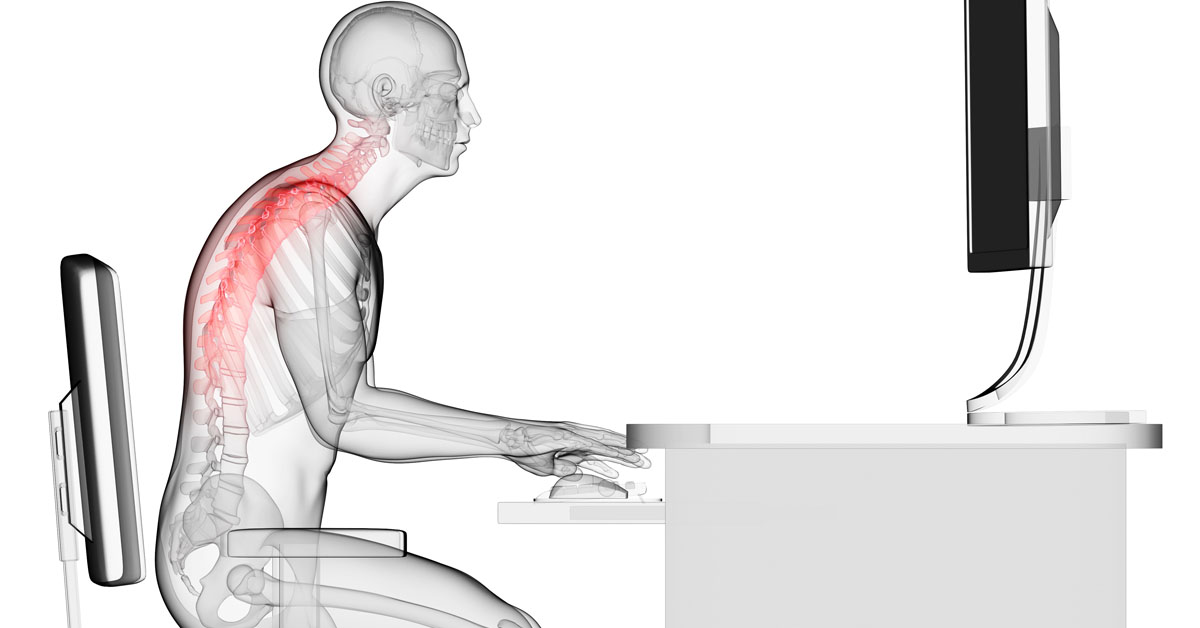
Office work typically involves mildly stressful postures held for prolonged periods of time. This is why office workers experience a particularly high incidence of neck pain, sometimes reported at over 50%. Bad ergonomics at your desk can be a contributing factor, but even optimal ergonomics cannot completely prevent the stress from that prolonged office posture. […]

The baby boomer generation (those born from 1946 to 1964) sure love their pets. Historically, pet ownership declines with age due to the owner’s health issues or the cost of care for the pet. However, baby boomers are breaking this pattern. The 2024 National Pet Owners Survey shows baby boomers still represent a large percentage […]
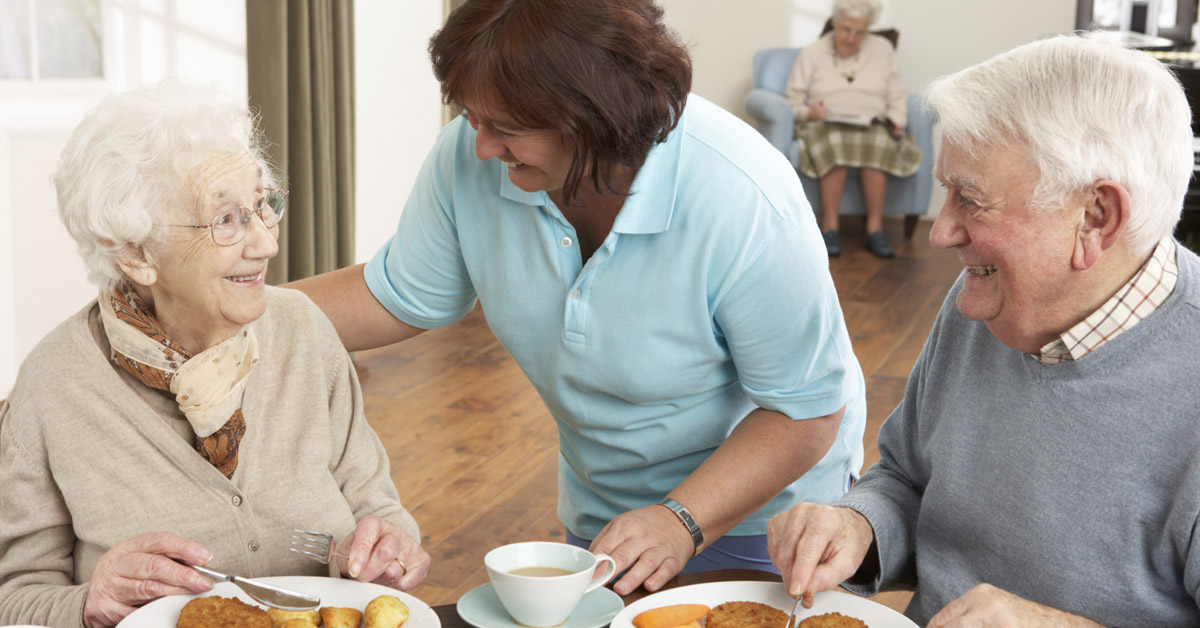
As a caregiver, ensuring your loved one receives nutritious meals is vital for their overall health and well-being. This guide offers practical advice on incorporating healthy ingredients into your care plan, aiming to maintain health, enhance mood, and provide energy for both your loved one and yourself. Optimal Foods for Seniors Aging alters nutritional needs; […]
Laughter, while not a replacement for medical treatment or physical exercise, offers numerous benefits for both mind and body. A growing body of research highlights the positive effects of laughter on various aspects of health. Physical Health Benefits: Mental and Emotional Health Benefits: Beyond physical advantages, laughter plays a crucial role in mental and emotional […]

Eggs are inexpensive and nutritious, but many are cautious due to their high cholesterol content. High blood cholesterol levels have been connected with a higher risk of cardiovascular events and vice versa. For this reason, some sources have recommended that people consume less than 300 mg of cholesterol per day. This practically rules out regular […]

Engaging in regular physical activity is associated with increased brain volume in critical areas, including gray and white matter and the hippocampus, according to recent research. Study Overview: • Objective: To explore the neuroprotective effects of regular physical activity on brain structure, addressing the unclear relationship between exercise and reduced dementia risk. • Method: Researchers […]

A study published in the New England Journal of Medicine shows that higher blood glucose levels may increase the likelihood of dementia. This statement holds true even for those who do not have diabetes but consistently exhibit higher than average blood sugar. The ability to stay physically active is an important component to controlling blood […]

As we age, our sleep needs change. The National Sleep Foundation recommends seven to nine hours of sleep for most adults aged 18 to 64. Although this can vary depending on individual health and lifestyle, some may feel rested with six hours, while others might need closer to nine hours. It’s a popular myth that […]

As temperatures drop, heart attack risks may increase. Cold weather along with increased physical inactivity, and seasonal illnesses all contribute to a higher risk of cardiovascular events. Why Winter Increases Heart Attack Risk Cold Weather ConstrictionCold temperatures cause blood vessels to constrict, raising blood pressure and putting added strain on the heart. Increased Blood ClottingCold […]
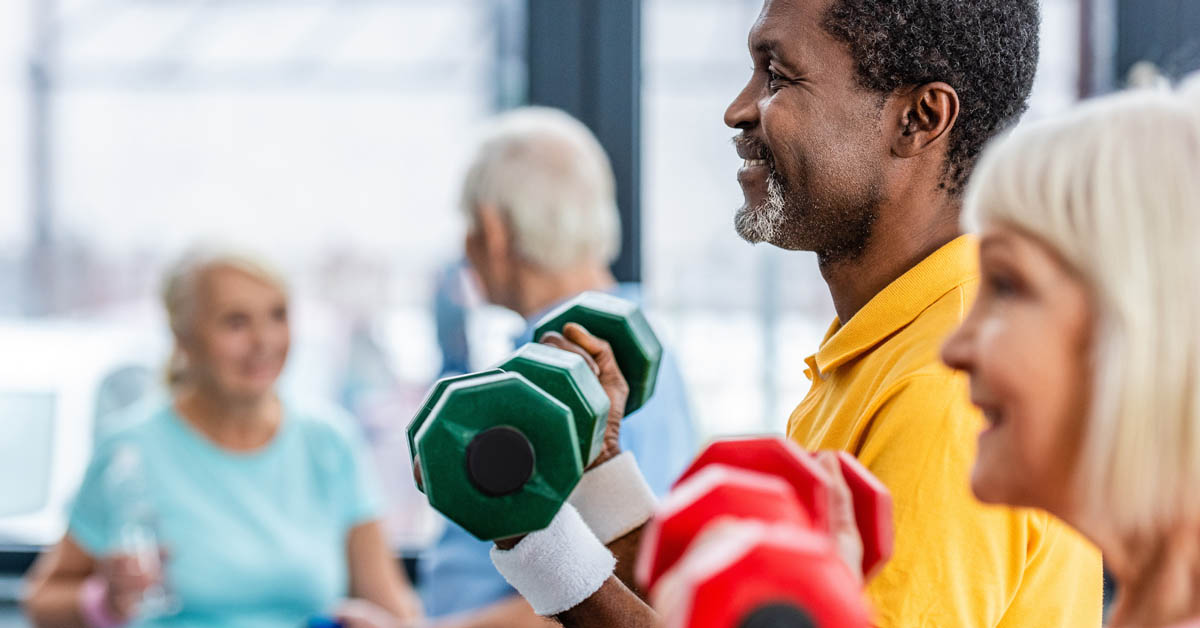
As we age, our muscle tissue, bone density, and overall strength naturally decline, increasing the risk of accidents and injuries that can hinder an active, independent lifestyle. Engaging in strength training is a highly effective method to slow, and potentially reverse, these age-related changes. Strong muscles enhance the body’s efficiency in several ways: • Improved […]
